

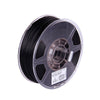
eSUN PA-CF 3D Printer Filament, Carbon Fiber Nylon, Strong and Metal-Replacement, Heat Resistant up to 155°C
2 min reading time
2 min reading time
eSUN PA-CF is a nylon (PA6/66) filament blended with 20% carbon fiber, offering high strength, stiffness, and heat resistance up to 155°C, making it suitable as a metal replacement in many applications. It is ideal for mechanical parts, gears, and components requiring wear resistance.
If you're looking for an engineering-grade 3D printing filament that offers high strength, heat resistance, and better impact resistance than general-purpose filaments, eSUN PA-CF is one of the most compelling options. Developed from Nylon 6/66 copolymer blended with 20% carbon fiber, it significantly enhances strength, toughness, and rigidity, allowing it to replace metal parts in many industrial applications.
PA-CF is a nylon filament reinforced with 20% carbon fiber. This reinforcement increases strength, reduces shrinkage during printing, and provides a smooth, matte finish. It also features self-lubricating properties and excellent abrasion resistance, making it ideal for printing parts subject to friction, such as gears and bushings.
| Density (g/cm³) | 1.24 |
| Heat Distortion Temp (°C, 0.45MPa) | 155 |
| Tensile Strength (MPa) XY plane | 84.05 |
| Flexural Strength (MPa) XY plane | 127.5 |
| Recommended Nozzle Temperature | 260–300°C |
| Recommended Build Plate Temperature | 60–90°C |
| Recommended Printing Speed | Below 150 mm/s |
| Diameter | 1.75 mm |
| Weight per Roll | 1 kg/roll |
With its high strength and heat resistance, eSUN PA-CF is suitable for applications in machinery, automotive, chemical industries, as well as electrical and electronic components, especially for parts that experience continuous friction, such as gears, bushings, and high-precision jigs.
eSUN PA-CF is an excellent choice for those looking to print metal-replacement parts with conventional FDM 3D printers. Its outstanding strength, heat resistance, and abrasion resistance make it ideal. However, careful attention to filament drying and using abrasive-resistant feeding equipment is crucial to achieve high-quality prints worthy of an engineering-grade material.


